What Is A Liquid Level Sensor?

A liquid level sensor is a device used to detect and measure the height and volume of liquid in a container. It converts physical height into an electrical signal in real time, helping the system determine liquid height and level data, thus enabling timely intervention and control of the liquid level.
Working Principles of Liquid Level Sensors
The main working principles of liquid level sensors include: liquid level switch principle, electromagnetic principle, float principle, capacitance principle, optical principle, and ultrasonic principle.
Liquid Level Switch Principle: Uses a float switch to detect liquid height, triggering an alarm when a certain height is exceeded. The LLC101000 Honeywell liquid level switch uses this working principle for liquid level monitoring.
Electromagnetic Principle: Uses a variable resistor to measure changes in liquid height.
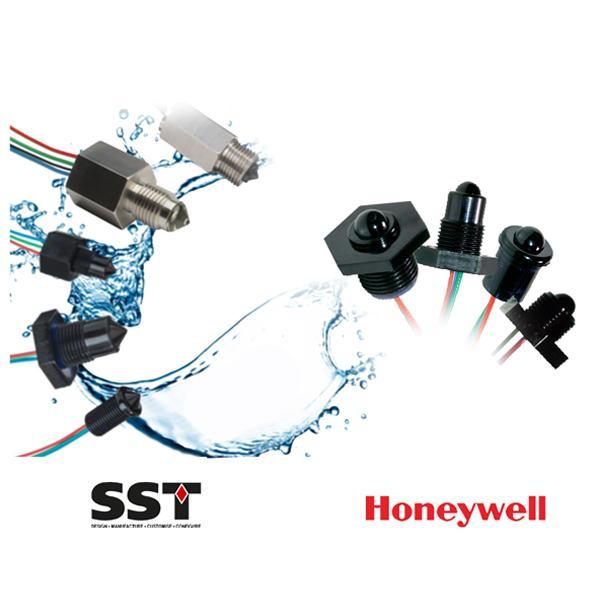
Capacitive Principle: Utilizes the difference in dielectric constant between liquid and air. When the liquid level rises, the capacitance between the probe and the container wall changes; the height is calculated by measuring the capacitance value.
Float ('Archimedes') Principle: The float floats up and down with the liquid surface, driving a linkage or potentiometer to change the resistance value, thereby outputting a liquid level signal.
Optical Principle: Measures liquid height by emitting and receiving light.
Ultrasonic principle: High-frequency sound wave pulses are emitted, and the sound waves are reflected after encountering the liquid surface. The liquid level data is obtained by calculating the time difference between transmission and reception and multiplying it by the speed of sound.
Applications of Liquid Level Sensors
Petrochemical and storage tanks: Used to monitor the liquid level in large equipment such as oil storage tanks and chemical containers to ensure safe production and prevent overflow or drying out.
Wastewater treatment plants: Monitors wastewater/raw water levels in waterworks to ensure the normal operation of the treatment system; also used for monitoring lake and river water levels to assist in flood warnings.
Pharmaceutical and food processing: Controls the liquid storage in equipment such as pharmaceutical tanks and beverage production lines to ensure stable production processes.
Smart home appliances: Used in equipment such as water heaters, washing machines, and dishwashers to automatically control water levels to prevent dry burning or overflow.

Automobiles: Detects the levels of fluids such as antifreeze and brake fluid, and reminds users to replenish them in time through sensor feedback.
In short, liquid level sensors play a crucial role in ensuring equipment safety, enhancing production efficiency, and promoting environmental protection by continuously monitoring the liquid status in real-time. There is a huge demand across all industries. OFweek Mall, a professional electronic component wholesale platform, offers a wide selection of liquid level sensors. Welcome to visit our website, where professional sales staff will provide you with one-on-one service.
Related Articles
Why Is the OPC-N3 PM2.5 Sensor So Popular?